One of the recurring concerns raised by homeowners in Lake Griffin Estates is not simply what rules are being enforced, but how those rules are being enforced and who those enforcement efforts are directed toward.
Recently, I sent a formal communication to Beacon Property Management documenting an interaction involving HOA President Krista and raising concerns about direct confrontations involving children.
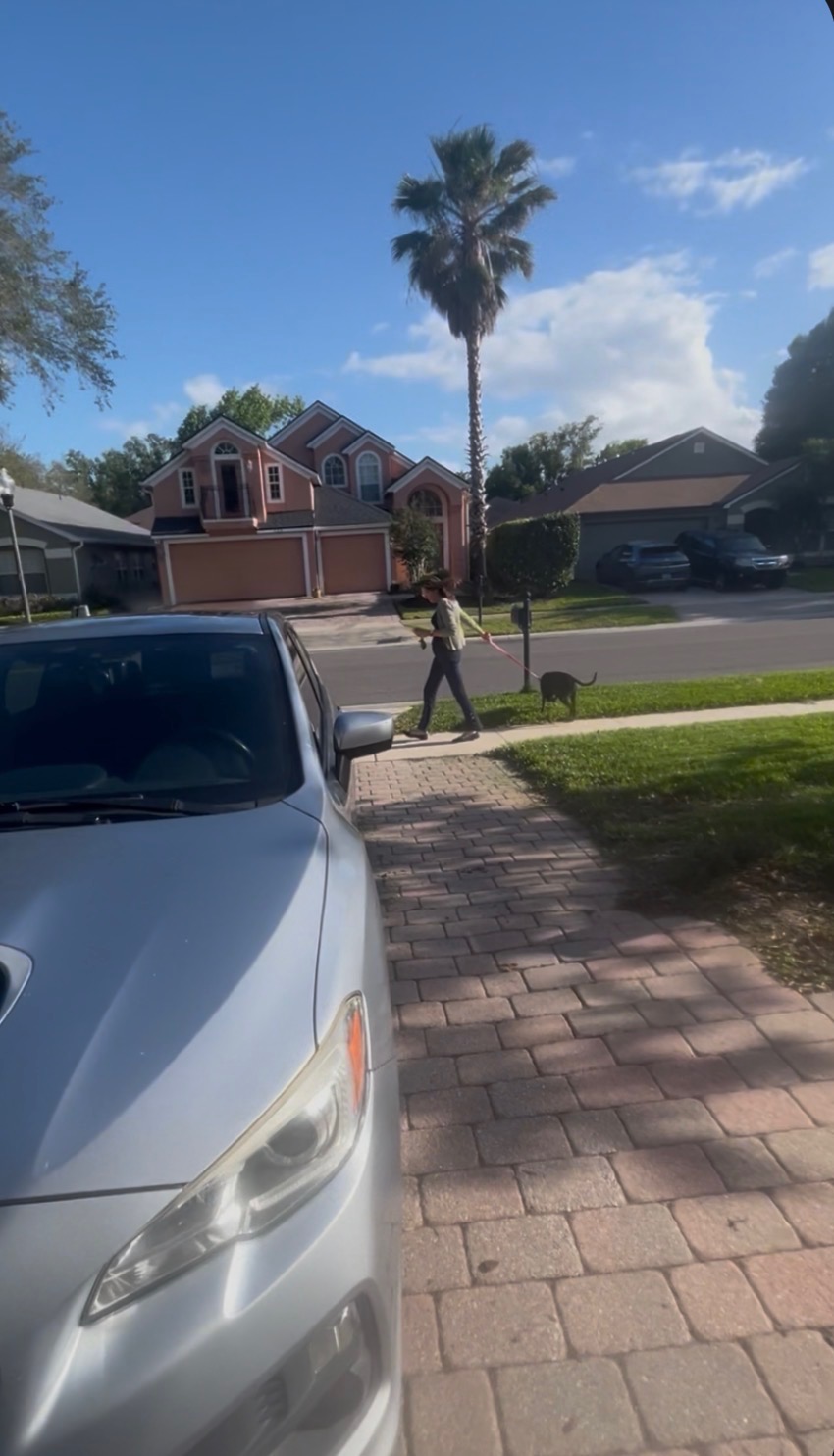
According to my account of the interaction, while walking past my home, Krista addressed me in front of my child and stated that my son was "luckily being supervised" and that she "did not have to take a picture and send a violation."
While some may view this as a simple comment, I found the interaction to be unnecessarily confrontational and sarcastic. More importantly, it occurred in front of my child and raised broader concerns about how HOA-related issues involving children are being handled within our community.
Children Should Not Be the Target of Enforcement
The primary concern is not whether a rule exists.
The concern is whether children should be directly confronted regarding alleged violations in the first place.
If a child is engaging in unsafe behavior or violating a community rule, the responsibility ultimately falls on the parent or homeowner. Board members have access to homeowner information, management services, and established enforcement procedures. There is little reason for children to become the focus of direct enforcement conversations.
Over the past year, multiple residents have shared concerns that children have been approached, confronted, warned, or spoken to regarding HOA-related matters. Some children have reportedly felt intimidated by these interactions. In at least one instance, children who raised concerns about how they were spoken to were reportedly dismissed as being untruthful.
Whether those reports are accurate is something residents can evaluate for themselves. However, the fact that multiple families have raised similar concerns should be enough to warrant discussion.
Parents should be contacted. Homeowners should be contacted. Children should not be placed in the middle of HOA disputes.
A Request for Professionalism
The purpose of my email was simple.
I requested that Board members, including the HOA President, refrain from directly addressing or confronting children regarding alleged violations and instead communicate concerns directly to parents or homeowners.
I also notified management that a certified letter was being sent to the Board of Directors requesting clarification regarding the e-bike rule, missing meeting minute discussions, enforcement procedures, and other homeowner concerns.
The request specifically asked for a written response from the Board itself regarding these issues.
At the time, management indicated that a response would be provided.
What Happened Next?
Months later, after multiple follow-up requests, management's position became that they could not comment because they were not present during the interaction.
When asked whether the conduct described would be appropriate, professional, or consistent with fair enforcement practices, management declined to provide an opinion, citing that they had not personally witnessed the events.
The Board likewise chose not to provide a response regarding the concerns that were raised.
In the most recent Board meeting, the Association's attorney was invited to address homeowner questions regarding communications directed to the Board. During that discussion, homeowners were informed that the Board is not required to respond to homeowner inquiries simply because a homeowner requests a response.
That answer may satisfy a legal requirement.
However, it raises a much larger question for homeowners.
Where Does Accountability Exist?
If a homeowner believes a Board member acted inappropriately, unprofessionally, or in a manner inconsistent with fair enforcement practices, what process exists to address that concern?
In this case:
- Management stated it could not comment.
- The Board chose not to comment.
- The Association's attorney advised that the Board is not obligated to respond.
Whether residents agree with my complaint or disagree with it entirely is not the point.
The larger issue is whether homeowners have any meaningful avenue to obtain answers when concerns are raised regarding the conduct of those responsible for governing the community.
Transparency and accountability are often discussed when homeowners are accused of violating community rules. Those same principles should apply when questions are raised about the actions of community leadership.
Without a willingness to review concerns and provide answers, homeowners are left to determine for themselves whether meaningful accountability exists within the community.
Why This Matters
This issue is bigger than a single comment or a single interaction.
It raises broader questions about professionalism, transparency, accountability, and how concerns involving children and homeowners are handled within Lake Griffin Estates.
Reasonable people may disagree about community rules. What should not be controversial is the expectation that concerns involving children be directed to parents and that interactions between community leaders and residents be conducted with professionalism and respect.
As always, the purpose of Lake Griffin Voices is not to attack individuals. It is to document events, share information, encourage transparency, and provide homeowners with information they can use to make informed decisions about the future of our community.
Residents are encouraged to review the available information, attend meetings, ask questions, review the correspondence, watch any available video evidence when posted, and draw their own conclusions.
Comments
No comments yet.
Want to join the conversation? Sign in or create an account — comments are for registered members only.